Visit a yose
Yose Manners: Easy Etiquette for First-Timers
A yose (traditional variety theater) has hardly any formal etiquette. Asakusa Engei Hall even says it has no special rules other than not bothering other guests or the performers. Here are a few points worth knowing so that everyone can enjoy a good laugh together.
First of all, relax and enjoy
Yose have always been a place for ordinary townspeople to drop in for a laugh. There is no dress code, and everyday clothes are fine.
What follows is less a set of rules you will be scolded for breaking than a little consideration for spending a pleasant time alongside the people next to you. If you are unsure about anything, feel free to ask the staff.
Set your phone to silent or turn it off
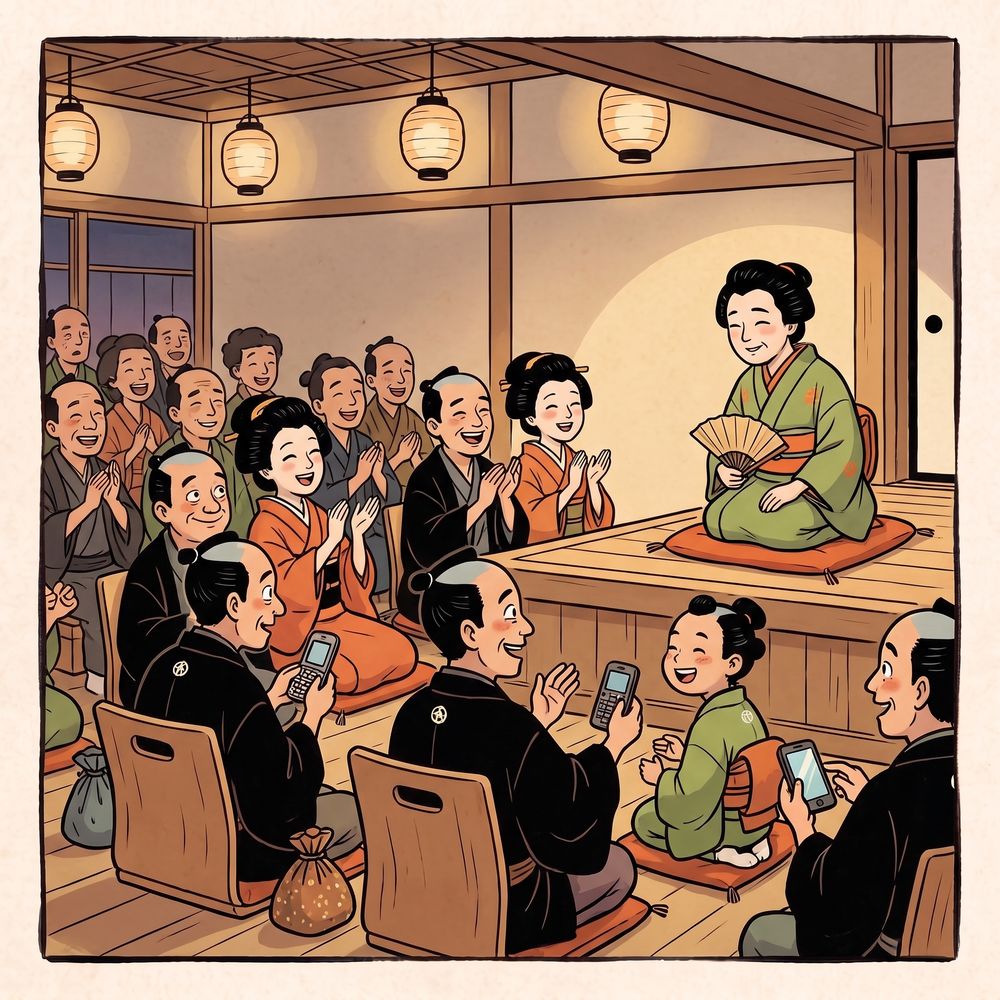
Rakugo is an art that creates laughter through the performer's voice and ma, the timing of pauses. A ringtone in a quiet moment breaks the flow of the story. Once you are in your seat, set your phone to silent mode or turn it off.
Even vibration can be surprisingly loud in a quiet hall. The light of a screen also stands out in the dark, so it is best not to use your phone during the show.
No photos or recordings
Taking photos, recording audio and filming during shows is prohibited at almost every yose. Asakusa Engei Hall prohibits photography and recording during performances, and Tenma Tenjin Hanjotei also asks visitors to refrain from taking photos or making audio or video recordings during shows.
A performance on the koza (stage) is a one-time experience shared only by those in the room. Take it home in your memory. If you want to photograph the outside of the building or the entrance, be careful not to get in the way of other guests.
Check the food and drink rules for each yose
Rules on eating and drinking vary greatly from one yose to another. Even where you are allowed to eat and drink, being a little mindful of strong-smelling food and rustling bags will keep the people around you comfortable.
- Suzumoto Engeijo: you can enjoy a bento, snacks or a beer while you listen
- Asakusa Engei Hall: eating and drinking are allowed, but go easy on anything with a strong smell or that makes noise. You cannot bring in alcoholic drinks, but you can buy them at the shop inside. You also cannot step out and come back during the show
- Tenma Tenjin Hanjotei: no eating or drinking inside, including candy and snacks
- Kobe Shinkaichi Kirakukan: visitors are asked not to eat inside or bring in alcohol
- Yokohama Nigiwaiza (the theater's own programs): water and soft drinks are allowed, but visitors are asked to refrain from alcohol
- Other yose: rules vary, so check the official website before you go
Come and go between performers
You are free to arrive late or leave early at a yose. But getting up or sitting down in the middle of a story distracts both the performer and the rest of the audience.
The best time to come and go is when one act ends and the next performer takes over. If you arrive in the middle of an act, wait at the back of the hall until it ends, then find a seat. Some venues, such as Yokohama Nigiwaiza, ask latecomers to wait in the lobby until the current act finishes, and staff will show you in between performers.
If possible, go to the restroom during the nakairi (intermission) or between performers.
Don't give away the sage, and keep chatter down
Rakugo has many famous stories that are fun no matter how many times you hear them. Even if you recognize a story as soon as it begins, please don't tell the person next to you the plot or the sage (the punch line). Saving the fun for people hearing it for the first time is part of yose courtesy.
Talking during the show, even in a whisper, carries farther than you might think. Save your impressions for the intermission or the walk home.
Calling out and applause
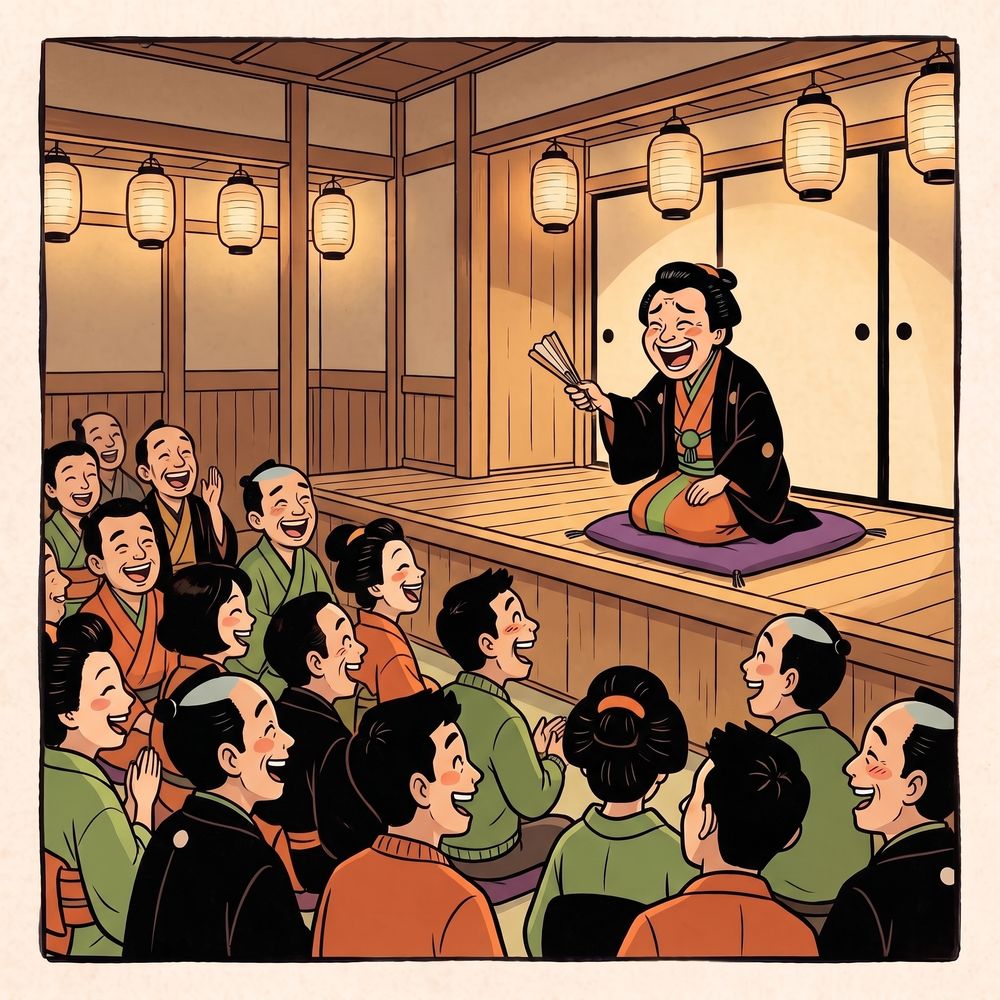
It is a yose custom to welcome performers with applause when they take the stage and to send them off with applause when they finish. If something is funny, don't hold back: laugh out loud. The audience's laughter is the greatest encouragement a performer can get.
Regulars sometimes call out to performers with phrases like “Matte mashita!” (“We've been waiting for you!”), but there is no need to copy this until you are used to it. Calling out in the middle of a story, or shouting the punch line in advance, gets in the performer's way, so please don't.
Hats and bags
Taking off your hat in the hall helps the people behind you see the stage. Keep large bags at your feet or under your seat so they don't stick out into the aisle or the next seat.
On crowded days, please avoid saving seats by putting your bag on the seat next to you. For special programs, some yose do not allow you to save seats for companions.
When in doubt, follow the theater's guidance
The finer points of the rules differ slightly from yose to yose and from show to show. If anything concerns you, check the theater's official website or ask the staff at the entrance.
After that, just relax and listen to the performers. Laugh, clap, and go home happy. That is the best manners of all.