Visit a yose
Your First Yose: Getting In and Enjoying the Show
A yose (traditional variety theater) is a place where you can walk in without a reservation, laugh as much as you like, and leave whenever you want. Still, on your first visit you may wonder how to get in and how the program works. This guide gently walks you through everything from buying a ticket to the yose words that will make the show even more fun.
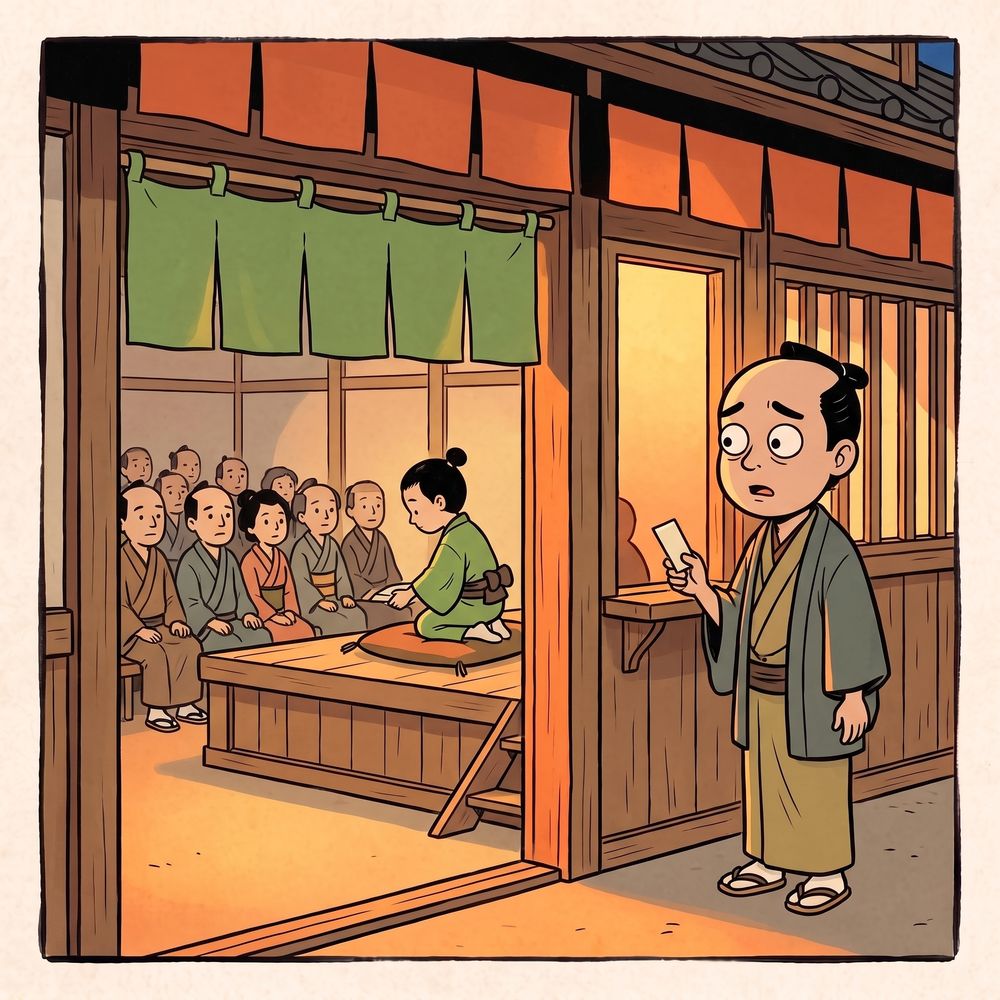
Buy your ticket at the window on the day
At Tokyo's joseki (full-time yose), regular shows take no reservations. You simply buy a ticket at the window by the entrance on the day. Seating is unreserved, so you can sit in any empty seat you like.
For example, Suzumoto Engeijo (Suzumoto Theater) sells unreserved, same-day tickets for regular shows, and says payment is cash only. Asakusa Engei Hall sells same-day tickets only, and its window usually opens at 11:00. Shinjuku Suehirotei also takes no reservations: you buy your ticket at the window when you arrive and sit anywhere.
In Kansai, on the other hand, the daytime shows at Tenma Tenjin Hanjotei in Osaka and Kirakukan in Kobe have all seats reserved, with advance tickets available. If advance tickets sell out, there are no same-day tickets, so buying ahead is recommended when you visit a yose in Kansai. New Year programs and special shows such as dokuenkai (solo performances) may also use advance sales or reserved seating.
Kido-sen (admission): what to expect
Admission to a yose has long been called kido-sen, literally “gate money.” For regular shows at Tokyo's joseki, general admission is generally around 2,800 to 3,500 yen (varies by program).
Many yose offer student and senior prices, and some get cheaper if you arrive later, such as the evening discount at Asakusa Engei Hall or the evening-show discount at Shinjuku Suehirotei. Special programs often cost more, so check each theater's official website for the latest prices.
Day and evening shows, and whether the audience changes
Shows at a joseki are usually divided into a day show (hiruseki) and an evening show (yoruseki). Each lasts about three to four hours, with more than a dozen performers taking the stage one after another.
Whether the audience is changed between the day and evening shows depends on the theater. Suzumoto Engeijo changes the audience between shows. Asakusa Engei Hall, as a rule, does not, so you can stay from the time you enter until the end. Ikebukuro Engeijo does not change the audience during kamiseki and nakaseki (the 1st to 20th) except for special programs, but does change it every day during shimoseki (the 21st to 30th). Shinjuku Suehirotei says the audience may be changed between day and evening shows for special programs.
Even at yose that do not change the audience, re-entry may not be allowed. Asakusa Engei Hall does not allow re-entry, so get your food and drinks before you go in.
Arriving late or leaving early is fine
At a yose, each performer has only about 15 minutes, so even if you arrive partway through, you will hardly ever lose the thread. Suzumoto Engeijo also says that coming in late and leaving early are both fine.
That said, it is kinder to the rest of the audience and to the performers if you come and go when one act finishes and the next performer takes over. If you arrive in the middle of an act, wait at the back of the hall until it ends, then find a seat.
How to read the bangumi (program)
The list of performers and their running order at a yose is called the bangumi. Many yose hand out a printed program at the entrance, and you can also check it in advance on each theater's official website.
The program starts with younger performers, moves up to more senior ones, and ends with the star of the day. Between the rakugo stories come iromono, or variety acts, which change the mood of the room.
Sometimes a performer cannot appear and someone else fills in, which is called daien (a substitute performance), so the show may not go exactly as printed. If there is a particular performer you want to see, check that day's program on the official website before you head out.
- Kaiko ichiban: the opening story, told by a zenza (apprentice), the first to take the stage
- Nakairi: the intermission, about halfway through the show
- Kuitsuki: the first performer to appear after the intermission
- Hizagawari: the iromono (variety act) that comes just before the tori
- Tori (also called shunin): the star of the day, who appears last
Zenza, futatsume, shin'uchi
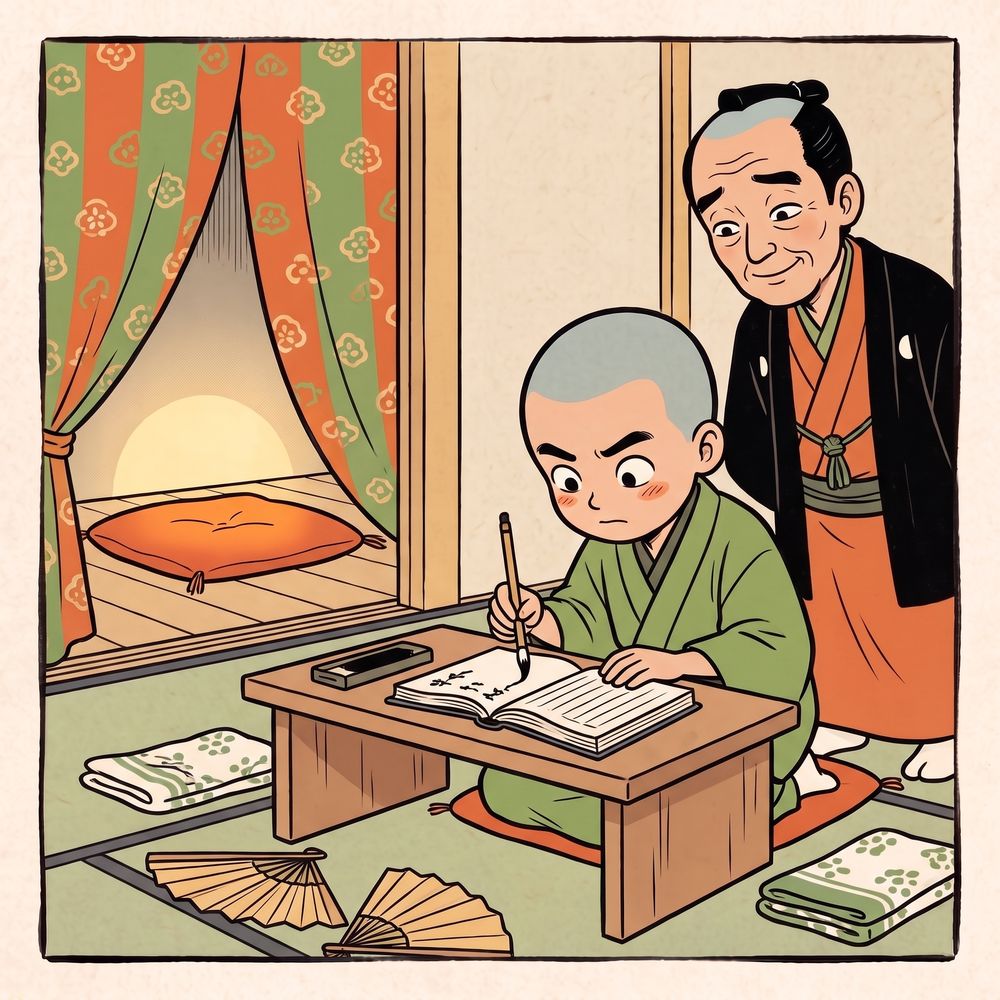
Tokyo rakugo performers have ranks that reflect how far along they are in their training. After joining a master and serving as a trainee, a newcomer becomes a zenza (apprentice), who polishes their craft while handling backstage work such as preparing the stage, playing the drum and helping senior performers change their kimono.
After several years as a zenza, a performer is promoted to futatsume (the middle rank) and may now wear a haori jacket on stage. After roughly ten more years of training, they become a shin'uchi (master), who may take apprentices and is qualified to close a show as the tori. When performers are promoted to shin'uchi, special celebration shows called shin'uchi shoshin hiro kogyo are held, with fellow performers and masters lined up on stage to congratulate them.
Kamigata (Kansai) rakugo does not have a zenza, futatsume and shin'uchi system like Tokyo's.
Iromono and tori
At a yose, all the acts other than rakugo are called iromono, literally “colored things.” They include manzai (comic duos), mandan (comic monologues), magic, acrobatics (daikagura), kamikiri (paper cutting), zokkyoku (popular songs with shamisen), impressions and more. The name is said to come from the signboards listing the performers, on which the names of everyone other than rakugo storytellers were written in vermilion.
The performer who takes the stage last is called the tori, or shunin. The tori is the headliner of the day and often takes plenty of time to tell a big story. It is the highlight of the yose.
Kamiseki, nakaseki, shimoseki and yoichikai
The lineup at Tokyo's joseki changes every ten days. The 1st to the 10th is kamiseki (the first period), the 11th to the 20th nakaseki (the middle period), and the 21st to the 30th shimoseki (the last period). Even within the same ten days, the performers may change from day to day.
In months that have a 31st, that day is called yoichikai, and special shows such as solo performances and themed events are held instead of the usual program. Shinjuku Suehirotei holds yoichikai on the 31st of every month except December, and on December 29. Prices and times often differ, so check the official website.
Eating and drinking: it depends on the yose
Whether you can eat and drink in your seat varies greatly from one yose to another.
At Suzumoto Engeijo you can enjoy a bento, snacks or a beer while you listen, and the seats have small tables on their backs. Asakusa Engei Hall also allows eating and drinking during the show, but asks you to avoid anything with a strong smell or that makes a lot of noise. You cannot bring in alcoholic drinks, but you can buy them at the shop inside.
Tenma Tenjin Hanjotei, on the other hand, does not allow any eating or drinking inside, including candy and snacks, and Kirakukan also asks visitors to refrain from eating inside. At Yokohama Nigiwaiza's own programs, only water and soft drinks are allowed. For other yose, it is a good idea to check the official website before you go.